
Introduction
Learning has changed dramatically over the last decade. Thanks to the internet, gaining new knowledge is no longer limited to traditional classrooms. Today, anyone with a computer, tablet, or smartphone can access high-quality courses from experts around the world. Whether you want to improve your professional skills, prepare for exams, learn a new language, or explore a creative hobby, top online learning platforms make education more accessible than ever before.
These platforms provide flexible learning opportunities for students, working professionals, entrepreneurs, and lifelong learners. Unlike conventional education, online learning allows individuals to study at their own pace, choose subjects that match their interests, and revisit lessons whenever needed. This flexibility has made digital education one of the fastest-growing industries in the world.
However, with hundreds of learning websites available, selecting the right platform can be confusing. Some focus on academic courses, while others specialize in professional certifications, technical skills, business development, or creative arts. Each platform offers unique features, pricing models, teaching methods, and certificates.
This guide explores the top online learning platforms, explains how they work, highlights their strengths and weaknesses, and helps you determine which one best suits your goals. Whether you are a beginner starting your learning journey or an experienced professional looking to upgrade your skills, this guide will help you make an informed decision.
What is Top Online Learning Platforms?
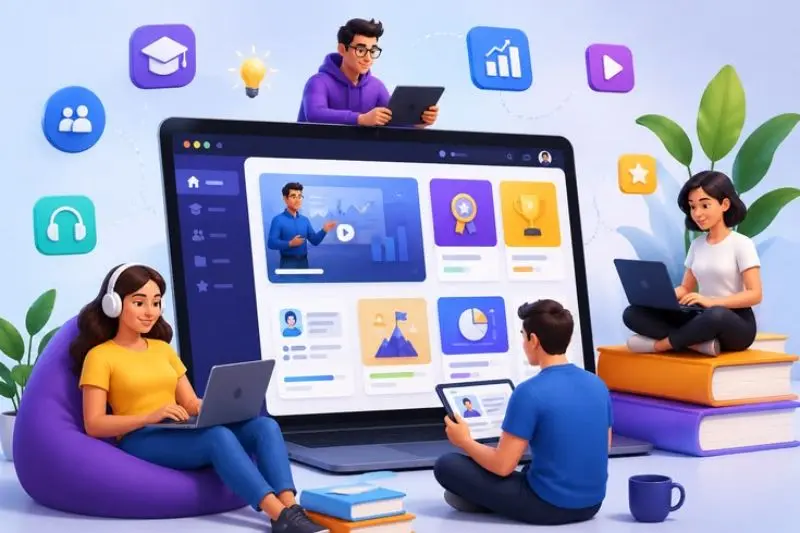
Top online learning platforms are digital websites or applications that provide educational courses through the internet. They connect learners with instructors, universities, organizations, and industry experts who create structured lessons covering thousands of subjects.
Instead of attending physical classes, learners can watch video lectures, complete quizzes, submit assignments, participate in discussions, and earn certificates entirely online.
Most online learning platforms offer courses in areas such as:
- Business
- Technology
- Programming
- Graphic Design
- Digital Marketing
- Data Science
- Artificial Intelligence
- Languages
- Personal Development
- Health and Fitness
- Photography
- Music
- School Subjects
- Test Preparation
Many platforms also provide mobile applications, allowing learners to continue studying anytime and anywhere.
One of the biggest advantages is flexibility. Students can pause lessons, replay videos, and learn according to their schedules without worrying about fixed classroom timings.
Some platforms are free, while others require monthly subscriptions or one-time payments. Premium plans often include certificates, graded assignments, instructor feedback, and access to exclusive learning resources.
Why is Top Online Learning Platforms Important?
Online education has become an essential part of modern learning because it removes many barriers associated with traditional education. Whether someone lives in a large city or a remote village, they can access quality education with an internet connection.
Here are some reasons why top online learning platforms are important:
They Make Education Accessible
People no longer need to travel long distances to attend classes. Learners from different countries can study from internationally recognized instructors without leaving their homes.
Flexible Learning Schedule
Unlike traditional schools or colleges, online platforms allow learners to study whenever they have free time. This flexibility is especially useful for working professionals, parents, and university students.
Affordable Education
Many online courses cost much less than traditional classroom programs. Some platforms even offer free courses, making quality education available to a larger audience.
Wide Variety of Subjects
Traditional institutions often have limited course offerings. Online learning platforms provide thousands of courses covering nearly every industry and skill imaginable.
Career Development
Many employers value candidates who continuously improve their skills. Completing professional courses and certifications can strengthen resumes and improve career opportunities.
Self-Paced Learning
Everyone learns differently. Some students understand concepts quickly, while others need extra time. Online platforms allow learners to progress at their own pace without pressure.
Continuous Skill Development
Industries evolve rapidly. Professionals can stay updated with new technologies, software, and industry trends by taking short online courses throughout their careers.
Global Learning Community
Many platforms include discussion forums, peer reviews, live sessions, and networking opportunities where learners interact with people from around the world.
Better Learning Resources
Online courses often combine videos, downloadable notes, quizzes, assignments, projects, and practice exercises, creating a more engaging learning experience than textbooks alone.
Improved Digital Skills
Simply using online education helps learners become comfortable with digital tools, communication platforms, virtual collaboration, and online research skills, all of which are valuable in today’s workplace.
Detailed Step-by-Step Guide to Choosing the Top Online Learning Platforms
Selecting the right online learning platform is more than simply choosing the most popular website. The best platform depends on your learning goals, budget, preferred teaching style, and the type of certification you need. Follow these steps to make the right decision.
Step 1: Define Your Learning Goal
Start by asking yourself why you want to learn.
Your goal will determine which platform is most suitable.
Common learning goals include:
- Learning a new professional skill
- Preparing for exams
- Improving workplace performance
- Earning a recognized certificate
- Starting a new career
- Building a portfolio
- Learning for personal interest
For example, someone interested in graphic design may need project-based courses, while a university student may prefer academic lectures.
Step 2: Identify Your Current Skill Level
Not every course is designed for beginners.
Most top online learning platforms categorize their courses into:
- Beginner
- Intermediate
- Advanced
- Expert
Choosing the correct level prevents frustration and helps you learn more effectively.
If you’re new to a subject, start with beginner-friendly courses before moving to advanced topics.
Step 3: Compare Course Quality
Course quality matters far more than the number of available courses.
Before enrolling, examine:
- Course outline
- Lesson structure
- Instructor experience
- Student reviews
- Update date
- Practical assignments
- Learning objectives
A well-organized course should clearly explain what you will learn by the end.
Step 4: Check Instructor Credentials
An excellent instructor can make complex topics easy to understand.
Look for instructors who have:
- Industry experience
- Teaching experience
- Positive student feedback
- Professional certifications
- Practical project experience
Experienced instructors often provide real-world examples that improve understanding.
Step 5: Evaluate Learning Materials
Different learners prefer different teaching methods.
Quality platforms usually include:
- Video lectures
- Reading materials
- Downloadable resources
- Practice quizzes
- Assignments
- Projects
- Discussion forums
- Interactive exercises
The more interactive the learning experience, the easier it becomes to remember concepts.
Step 6: Check Certification Options
Certificates can add value to your resume and professional profile.
Before purchasing a course, verify:
- Whether a certificate is included
- If it requires completing assignments
- Whether it is recognized in your industry
- If it can be shared on professional profiles
Some free courses allow learning without certificates, while paid plans usually include verified credentials.
Step 7: Compare Pricing Plans
Every learner has a different budget.
Common pricing models include:
- Free courses
- Monthly subscriptions
- Annual memberships
- One-time course purchases
- Professional certification programs
Compare what each plan offers before making a decision.
Sometimes a slightly more expensive platform provides significantly better learning resources.
Step 8: Test the User Experience
A simple and organized interface improves learning.
Consider:
- Easy navigation
- Fast loading speed
- Mobile compatibility
- Offline downloads
- Search functionality
- Progress tracking
A clean learning dashboard saves time and keeps you motivated.
Step 9: Review Community Support
Learning becomes easier when you can ask questions.
Many top online learning platforms provide:
- Student discussion forums
- Live question sessions
- Community groups
- Peer reviews
- Instructor support
These features help learners solve problems quickly.
Step 10: Track Your Progress
Choose platforms that monitor your achievements.
Useful tracking features include:
- Lesson completion
- Quiz scores
- Learning streaks
- Skill assessments
- Certificates earned
- Personalized recommendations
Tracking progress helps maintain motivation and encourages consistent learning.
Popular Types of Online Learning Platforms
Not every platform serves the same purpose. Understanding the different categories will help you choose wisely.
Academic Learning Platforms
These platforms offer structured educational courses similar to colleges and universities.
Ideal for:
- University students
- School learners
- Academic professionals
Common subjects include mathematics, science, history, economics, and engineering.
Professional Skill Platforms
These platforms focus on workplace skills.
Popular topics include:
- Project management
- Leadership
- Marketing
- Finance
- Communication
- Sales
They are ideal for career growth and promotions.
Technology Learning Platforms
Technology-focused platforms specialize in digital skills such as:
- Programming
- Cybersecurity
- Cloud computing
- Artificial intelligence
- Data science
- Software development
- Web development
These courses often include practical coding exercises.
Creative Learning Platforms
Creative learners can explore courses in:
- Graphic design
- Photography
- Video editing
- Music production
- Animation
- Drawing
- Illustration
- Writing
Many courses include hands-on projects to build portfolios.
Language Learning Platforms
Language-focused platforms help learners improve:
- Speaking
- Listening
- Reading
- Writing
- Vocabulary
- Grammar
- Pronunciation
Interactive exercises and daily practice make language learning more engaging.
Personal Development Platforms
These platforms focus on improving everyday life.
Popular topics include:
- Time management
- Productivity
- Public speaking
- Confidence building
- Critical thinking
- Personal finance
- Goal setting
Such courses are valuable for both personal and professional growth.
Test Preparation Platforms
Students preparing for competitive exams often use specialized platforms covering:
- Practice tests
- Mock exams
- Video explanations
- Previous papers
- Performance analysis
- Study plans
These resources help learners prepare more effectively.
Corporate Training Platforms
Many companies use online learning systems to train employees.
Training often includes:
- Workplace safety
- Compliance
- Customer service
- Leadership
- Technical skills
- Company policies
This approach reduces training costs while ensuring consistent learning across teams.
The best top online learning platforms combine high-quality instruction, practical exercises, flexible schedules, and recognized certifications. Rather than choosing the platform with the largest number of courses, focus on the one that aligns with your learning objectives, budget, and preferred learning style.
Benefits of Top Online Learning Platforms
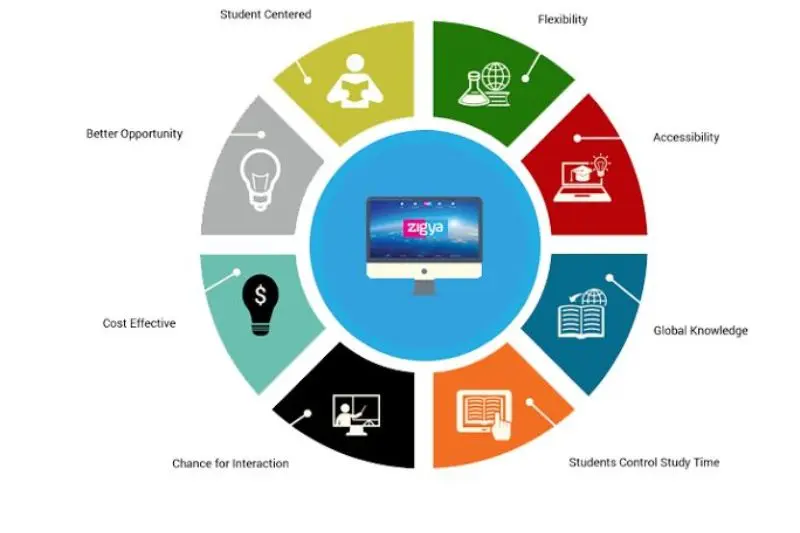
Choosing from the top online learning platforms offers numerous advantages for learners of all ages. Whether you are a student, a working professional, or someone pursuing a hobby, online education provides opportunities that traditional classrooms may not always offer.
- Learn anytime and anywhere with an internet connection.
- Study at your own pace without fixed class schedules.
- Access thousands of courses across multiple subjects.
- Save money compared to many traditional education programs.
- Learn directly from experienced instructors and industry experts.
- Earn certificates that can strengthen your resume.
- Improve career opportunities by gaining new skills.
- Develop practical knowledge through projects and assignments.
- Rewatch lessons whenever you need revision.
- Learn using mobile devices, laptops, or tablets.
- Stay updated with the latest industry trends.
- Build confidence by mastering new skills.
- Join learning communities and interact with fellow students.
- Balance education with work, family, or other responsibilities.
- Continue lifelong learning without geographical limitations.
Disadvantages and Risks
Although online education offers many benefits, it also comes with certain challenges. Understanding these drawbacks helps learners prepare for a better learning experience.
- Requires strong self-discipline and motivation.
- Internet connectivity issues may interrupt learning.
- Some courses provide limited instructor interaction.
- Practical subjects may require additional hands-on experience.
- Not every certificate is recognized by employers.
- Too many course choices can confuse beginners.
- Some learners struggle without classroom accountability.
- Paid courses can become expensive over time.
- Poor-quality courses may contain outdated information.
- Spending long hours in front of screens may cause fatigue.
Despite these disadvantages, careful planning and choosing reputable platforms can minimize most of these challenges.
Common Mistakes to Avoid
Many learners start online courses with enthusiasm but fail to complete them because of avoidable mistakes.
One common mistake is enrolling in too many courses at once. While it may seem productive, it often leads to unfinished lessons and reduced focus. Begin with one course and complete it before starting another.
Another mistake is choosing a course solely because it is inexpensive or free. Course quality, instructor expertise, and learner reviews should always be considered before making a decision.
Many learners also skip practical assignments. Watching videos alone is rarely enough to master a skill. Completing projects, quizzes, and exercises helps reinforce learning and improves confidence.
Ignoring course reviews is another common error. Feedback from previous students often reveals whether a course is well-structured, up to date, and worth your time.
Some learners expect immediate results. Skill development requires regular practice and patience. Consistency is far more valuable than studying for many hours on a single day.
Finally, failing to set a study schedule often leads to procrastination. Even dedicating thirty minutes each day can produce significant progress over time.
FAQs
What are the top online learning platforms?
The top online learning platforms are educational websites and applications that provide courses in subjects such as business, technology, languages, creative arts, personal development, and academic studies. They allow learners to study remotely using videos, assignments, quizzes, and interactive resources.
Are online learning certificates worth it?
Yes, many online certificates are valuable, especially when they come from respected educational organizations or recognized industry providers. They demonstrate your commitment to learning and can strengthen your resume when combined with practical skills and experience.
Can beginners use online learning platforms?
Absolutely. Most platforms offer beginner-level courses that explain concepts step by step. These courses usually require little or no prior knowledge, making them suitable for first-time learners.
Are free online courses good enough?
Many free courses provide excellent educational content. However, paid courses often include additional features such as graded assignments, downloadable resources, instructor feedback, and verified certificates.
How much time should I spend learning online?
The ideal study time depends on your goals. Studying consistently for thirty to sixty minutes each day is often more effective than studying for several hours only once a week.
How do I choose the best online learning platform?
Start by identifying your learning goals, budget, preferred teaching style, and desired certification. Compare course quality, instructor experience, learner reviews, available resources, and platform features before making your final decision.
Can online learning help me change my career?
Yes. Many people use online courses to develop new skills, build portfolios, and prepare for career transitions. Learning practical, in-demand skills can improve your chances of finding better job opportunities.
Is online learning better than classroom learning?
Both methods have advantages. Online learning offers flexibility and convenience, while classroom learning provides direct interaction with teachers and classmates. The best choice depends on your personal learning preferences and goals.
Expert Tips and Bonus Points
To get the most from the top online learning platforms, follow these practical recommendations:
- Set clear learning goals before enrolling in any course.
- Create a weekly study schedule and stick to it.
- Take notes while watching video lessons.
- Complete every assignment and practice exercise.
- Revise previous lessons regularly.
- Participate in discussion forums whenever possible.
- Apply new knowledge to real-world projects.
- Avoid multitasking during study sessions.
- Track your progress to stay motivated.
- Continue learning even after completing a course by exploring advanced topics.
Remember that learning is a continuous journey. Small, consistent improvements often lead to significant long-term success.
Conclusion
The growth of online education has transformed the way people learn, making high-quality knowledge available to anyone with an internet connection. The top online learning platforms have opened doors for students, professionals, entrepreneurs, and lifelong learners by offering flexible, affordable, and accessible education across countless subjects. Whether your goal is to improve workplace skills, prepare for exams, earn professional certifications, or simply explore a new interest, there is a platform designed to meet your needs.
Choosing the right platform begins with understanding your objectives, evaluating course quality, checking instructor expertise, and selecting a learning style that keeps you motivated. Rather than focusing only on the number of available courses, prioritize platforms that provide practical projects, updated content, interactive learning experiences, and meaningful certifications.
Online learning also requires dedication and consistency. Creating a study routine, completing assignments, and applying newly learned skills in real-life situations will help you gain the greatest value from every course. While challenges such as self-discipline and internet access may exist, they are often outweighed by the convenience and opportunities that digital education provides.
As technology continues to evolve, online learning will remain an essential part of education and professional development. By selecting one of the top online learning platforms that aligns with your goals and committing to continuous improvement, you can build valuable skills, increase your confidence, and prepare yourself for future academic and career success.