
Introduction
People have always looked for ways to better understand themselves. While psychology and personality assessments offer one approach, astrology provides another perspective. By analyzing the positions of celestial bodies at the time of birth, astrology aims to reveal personality traits, emotional tendencies, strengths, weaknesses, and behavioral patterns.
Although astrology is not considered a scientific personality assessment method, many people use it as a tool for self-reflection and personal growth.
Can Astrology Help You Understand Your Personality?
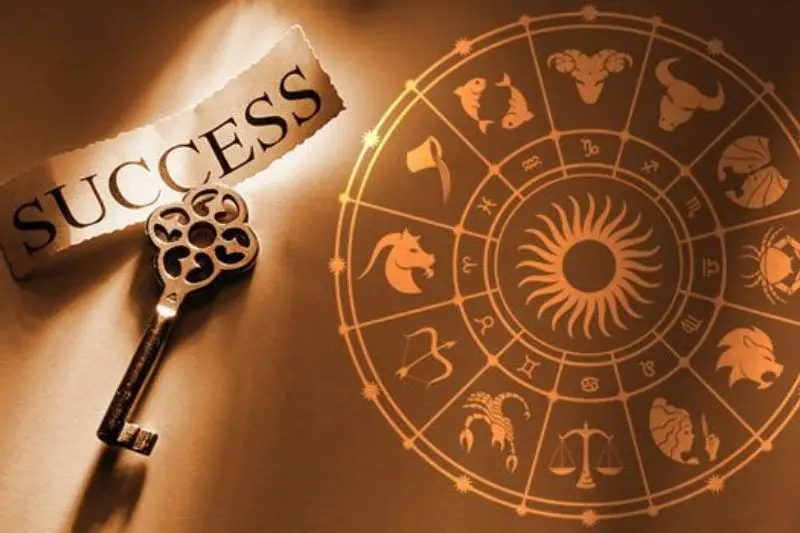
Astrology can help you understand your personality by offering insights into your strengths, weaknesses, emotions, motivations, and communication style. Rather than determining who you are, astrology provides a framework that encourages self-awareness and personal development.
A complete astrological profile is based on a birth chart, which includes the positions of the Sun, Moon, planets, and astrological houses at the moment of birth.
The Main Elements of an Astrological Personality Profile
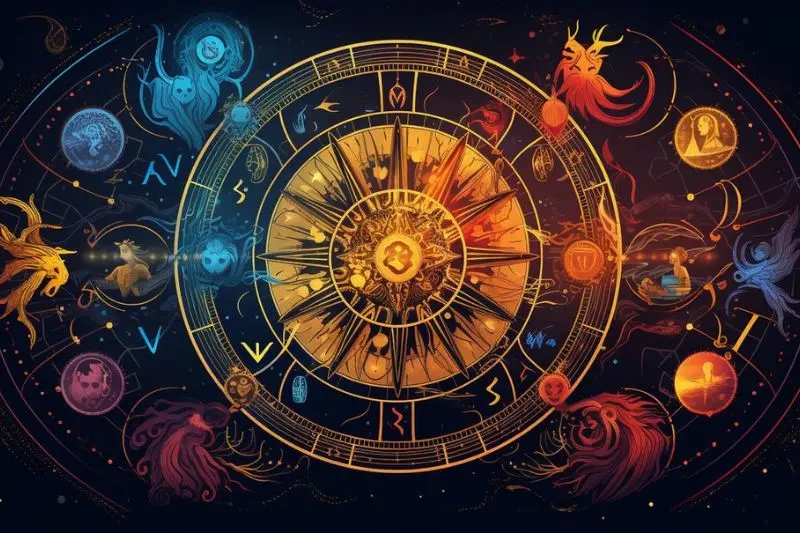
Sun Sign: Your Core Identity
The Sun sign represents your basic personality, identity, and natural characteristics. It reflects how you express yourself and what motivates you.
Some common Sun sign traits include:
- Aries: Energetic and confident
- Taurus: Reliable and practical
- Gemini: Curious and adaptable
- Cancer: Caring and emotional
- Leo: Creative and expressive
- Virgo: Analytical and organized
Moon Sign: Your Emotional Side
The Moon sign represents your inner world and emotional responses. It influences how you process feelings, handle stress, and seek comfort.
The Moon sign can reveal:
- Emotional needs
- Relationship habits
- Intuition
- Reactions during difficult situations
Rising Sign: Your Outer Personality
The Rising Sign, also known as the Ascendant, affects how others see you. It influences first impressions, social behavior, and personal style.
Many people find that their Rising Sign explains why others perceive them differently from how they see themselves.
How Astrology Reveals Your Strengths
Astrology can highlight natural abilities and talents.
Common strengths associated with certain astrological influences include:
- Leadership and confidence
- Creativity and self-expression
- Communication skills
- Organization and planning
- Problem-solving abilities
- Emotional intelligence
Understanding these strengths may help with personal growth, career planning, and relationship development.
How Astrology Identifies Challenges

Astrology also explores potential weaknesses and areas for improvement.
Examples include:
- Impulsiveness
- Overthinking
- Perfectionism
- Stubbornness
- Sensitivity to criticism
- Difficulty expressing emotions
Recognizing these patterns can help people make more conscious decisions and work toward self-improvement.
Using Astrology for Self-Discovery
Step 1: Create Your Birth Chart
You will need:
- Birth date
- Birth time
- Birth location
A complete birth chart provides far more detail than a Sun sign alone.
Step 2: Analyze Your Main Placements
Focus on:
- Sun Sign
- Moon Sign
- Rising Sign
These three placements form the foundation of personality analysis in astrology.
Step 3: Look for Patterns
Notice traits that appear repeatedly throughout your chart.
Examples:
- Strong independence
- Need for stability
- Desire for recognition
- Interest in learning
- Emotional sensitivity
Step 4: Compare with Real Life
Reflect on whether the insights match your experiences, behaviors, and relationships.
Benefits of Astrology for Personality Understanding
Increased Self-Awareness
Astrology encourages deeper reflection about thoughts, emotions, and actions.
Better Relationships
Understanding emotional needs and communication styles can improve relationships.
Personal Growth
Astrological insights can reveal areas where improvement may be beneficial.
Greater Self-Acceptance
Astrology often helps people recognize that everyone has unique strengths and challenges.
Limitations of Astrology
It is important to maintain a balanced perspective.
- Astrology is not scientifically proven as a personality assessment tool.
- Interpretations can vary between astrologers.
- Personal choices and life experiences play a major role in shaping personality.
- Astrology should not replace professional psychological or medical advice.
Common Mistakes When Using Astrology
- Focusing only on the Sun Sign
- Treating astrology as absolute truth
- Ignoring the full birth chart
- Using astrology to justify negative behavior
- Expecting exact predictions
Myths vs Reality
Myth:
Your zodiac sign tells you everything about yourself.
Reality:
A full birth chart provides a much deeper personality analysis.
Myth:
Astrology predicts every event in your life.
Reality:
Astrology focuses on tendencies and personality patterns rather than guaranteed outcomes.
Myth:
Everyone with the same zodiac sign is identical.
Reality:
Every birth chart is unique.
FAQs
Can astrology accurately describe personality?
Astrology can provide personality insights that many people find meaningful for self-reflection, but it is not scientifically validated.
What is more important: Sun Sign or Moon Sign?
Both are important. The Sun Sign reflects identity, while the Moon Sign reflects emotional nature.
Do I need my birth time?
Yes. An accurate birth time helps determine your Rising Sign and house placements.
Why don’t I relate to my zodiac sign?
You may connect more strongly with other chart placements such as your Moon Sign or Rising Sign.
Can astrology improve relationships?
It can help people understand communication styles and emotional needs, which may improve relationships.
Is astrology a science?
No. Astrology is generally considered a symbolic system used for self-reflection rather than a scientific discipline.
Conclusion
Astrology offers an interesting way to explore personality traits, emotional patterns, strengths, and challenges. While it should not be treated as a scientific personality test, many people find it useful for self-awareness and personal growth. By studying your birth chart and reflecting on its insights, you can gain a deeper understanding of yourself and the factors that influence your behaviour, relationships, and life choices.